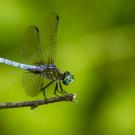
Despite their small size, dragonflies are arguably one of the most impressive predators in the animal kingdom. According to Rachel Crane, a biologist at the University of California Davis, dragonflies often catch up to 95% of the prey they go after, a rate she described as “wildly high compared to where most predators are.”
More incredible still, this prey capture all happens in midair.
“Dragonflies are doing these really, really fast, high-speed aerial captures,” said Crane.
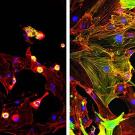
A team of UC Davis researchers is on a mission to solve a key mystery in the formation of muscular fibrosis. The researchers are studying why special stem cells known as fibro-adipogenic progenitors (FAPs) get derailed from normal muscle regeneration following injury, and instead produce excess material that can lead to fibrosis. The team may have unlocked a way to prevent these cells from getting stuck in an endless loop of collagen production, causing fibrotic muscles.
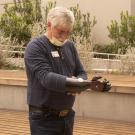
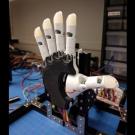
David Brockman, a retired CalFire captain and avid outdoorsman, built a deck in the backyard of his home last year, without the use of his dominant right hand, which he lost in an accident. The prosthetic hand he used instead was a crude but functional steel hook-and-harness device.
Brockman has tried other artificial limbs, including a high-tech prosthesis called a myoelectric. It looks like a hand and works by using electrical signals from muscles in the forearm. But that one just didn’t work for him.
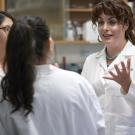
For Associate Professor Rebecca Calisi Rodríguez, parental behavior has inspired her research as a biological scientist, as well as her public advocacy message.
Calisi Rodríguez studies the hormonal shifts that occur in numerous species because of parental instincts. She also is passionate about encouraging the scientific community to be more supportive and accepting of diversity in STEM (science, technology, engineering and math) careers, especially for those who are mothers.
Wilsaan Joiner, an associate professor in neurobiology, physiology and behavior and Jonathon Schofield, an associate professor in mechanical and aerospace engineering, and colleagues, are working to develop better and more functional prosthetic devices for children.
Returning to the hustle and bustle of daily routines after over a year of lockdowns is a challenge many people are now facing. For former UC Davis gymnast Madeline Kennedy ’14, it is a challenge she is helping current Aggies overcome as a physical therapist at Student Health and Counseling Services.
Kennedy provides support for students’ physical well-being, many of whom are facing the realities of everyday in-person life again—whether it’s returning to club or team sports, using the ARC or adjusting to moving around campus once more.
Aldrin Gomes, a professor in the Department of Neurobiology, Physiology and Behavior, is interested in how commonly used drugs like ibuprofen affect the heart. His lab has helped advance our understanding of how commonly used drugs damage our cells, and has recently been recognized for an exceptional commitment to safety.
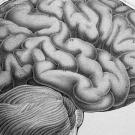
We watch a ball as it falls into our glove. We hear a strange sound in another part of the house and listen intently. In neuroscience, the act of narrowing our senses in response to an environmental event is called “attention,” and it is understood that when we attend to a stimulus, we lose the ability to focus on other surrounding inputs.
Aldrin Gomes, a professor in the Departments of Neurobiology, Physiology and Behavior, and Physiology and Membrane Biology, can still recall the reality he faced when he came to the United States to conduct postdoctoral research. Growing up in Trinidad and Tobago, Gomes was accustomed to the cultural diversity of the island. But shortly after stepping on American soil, he started experiencing things he didn’t understand.
While drugs help patients mitigate the most extreme conditions of mental illnesses like schizophrenia or depression, they often don’t address the cognitive deficits many diseases cause, such as memory loss, low attention span and impaired decision-making.